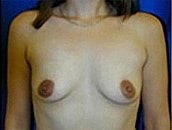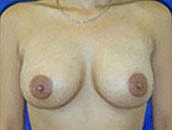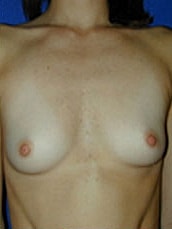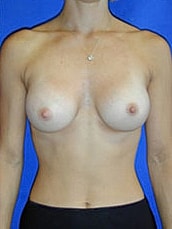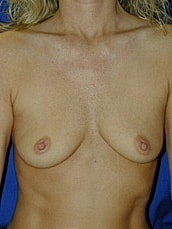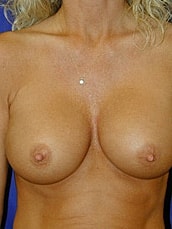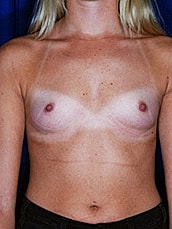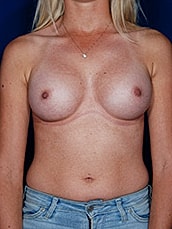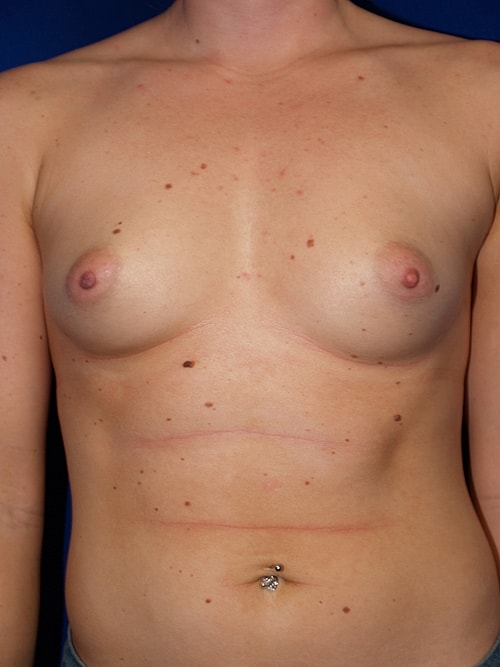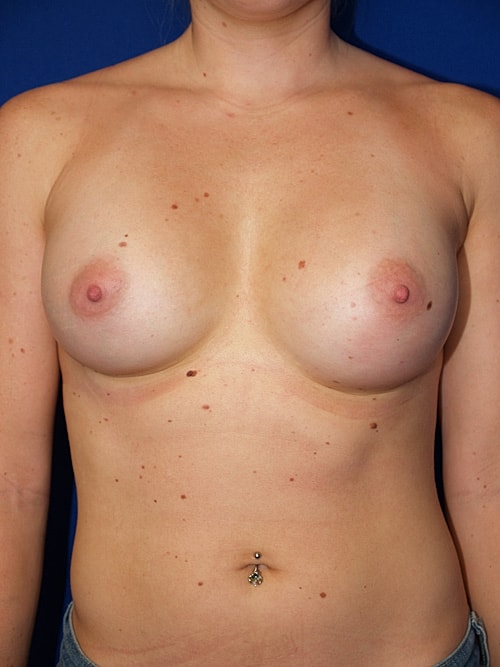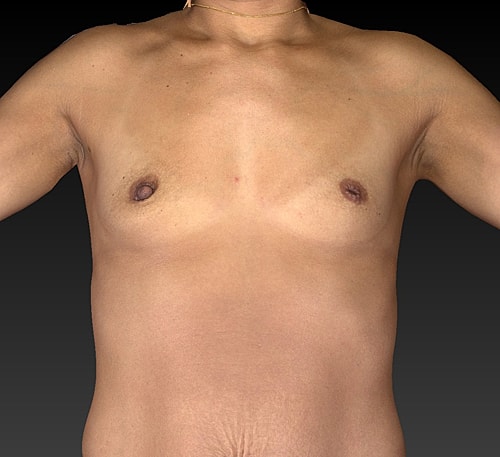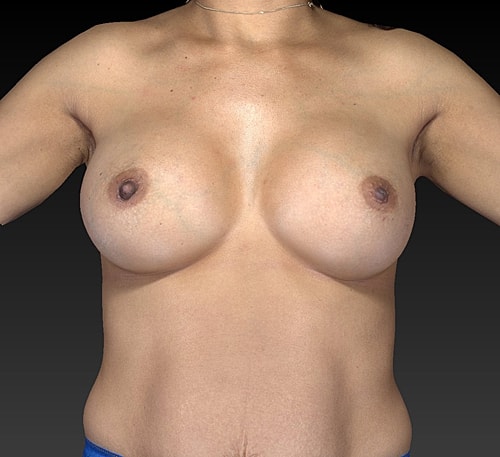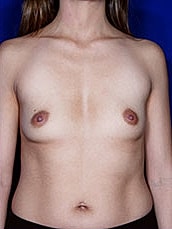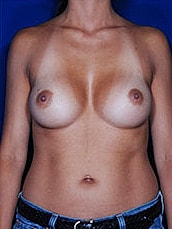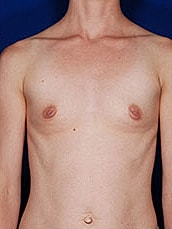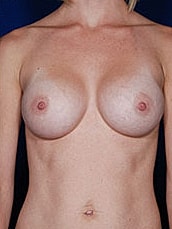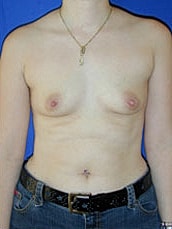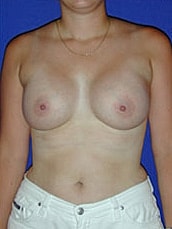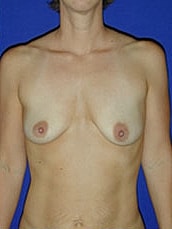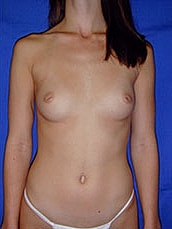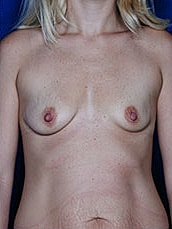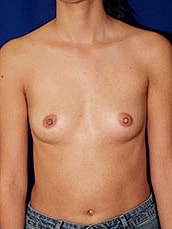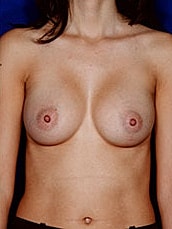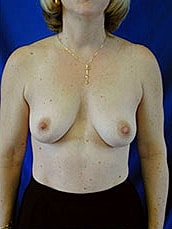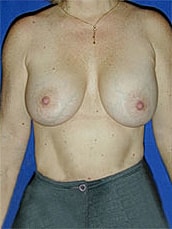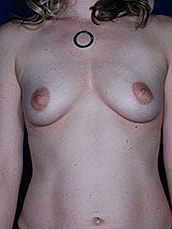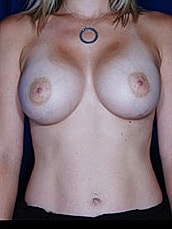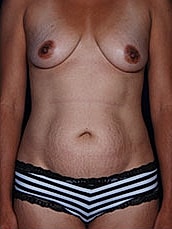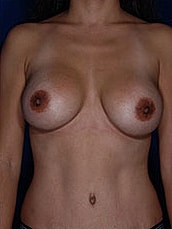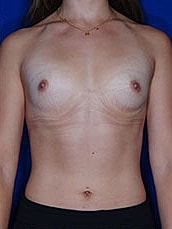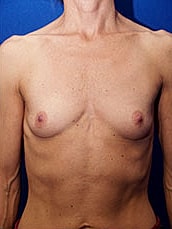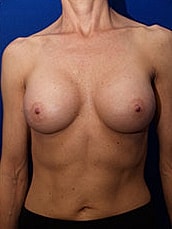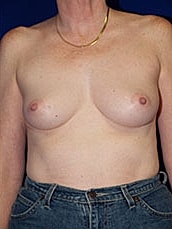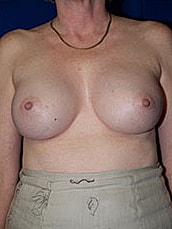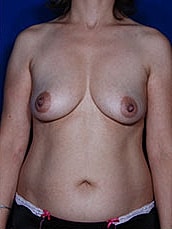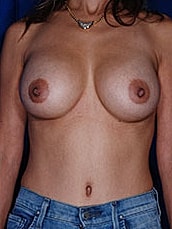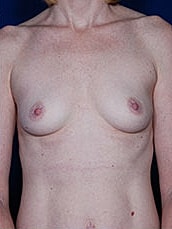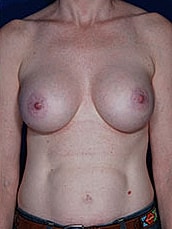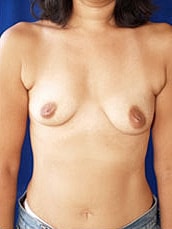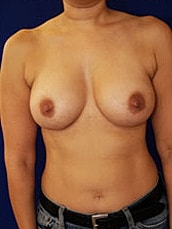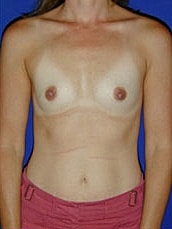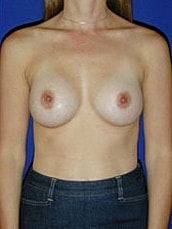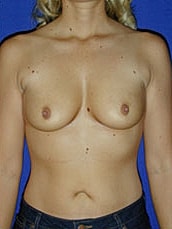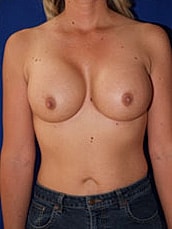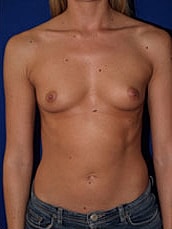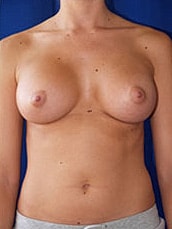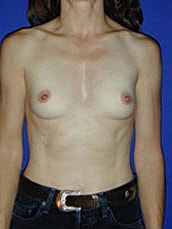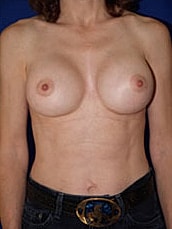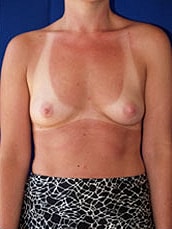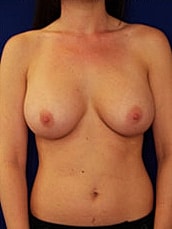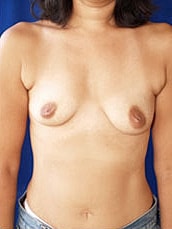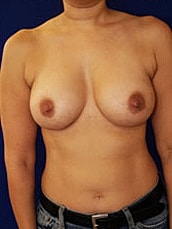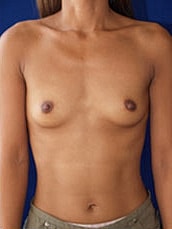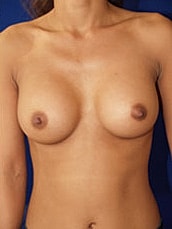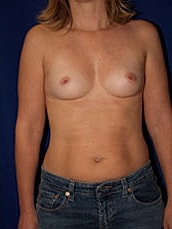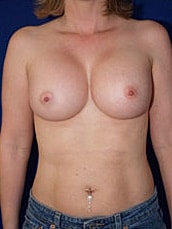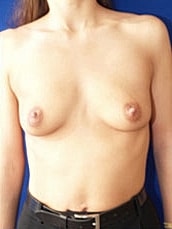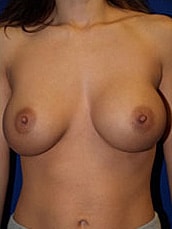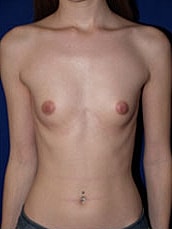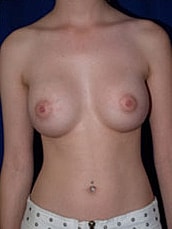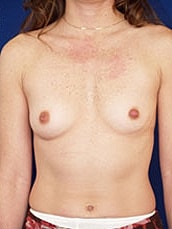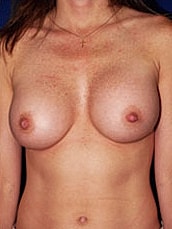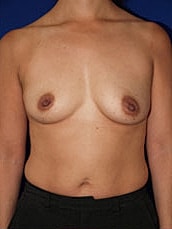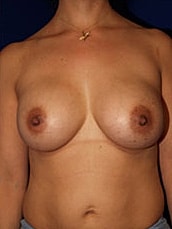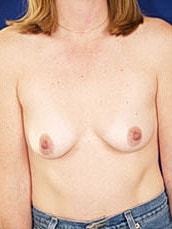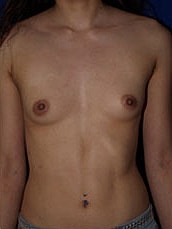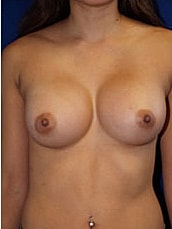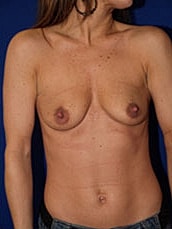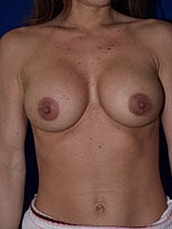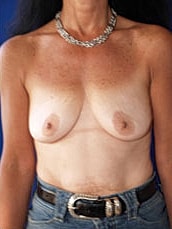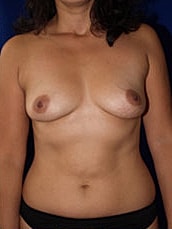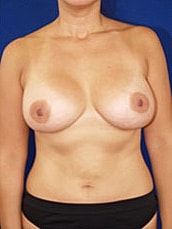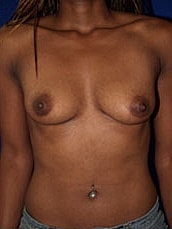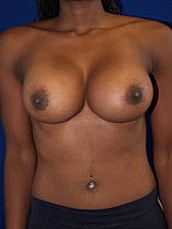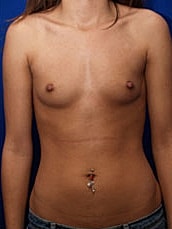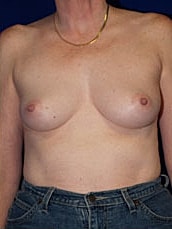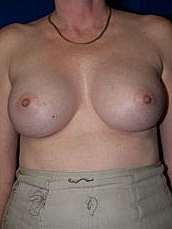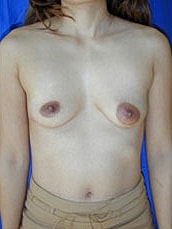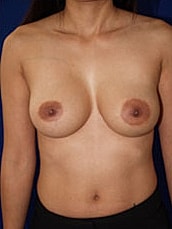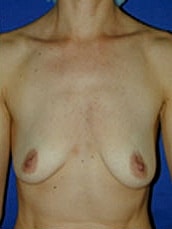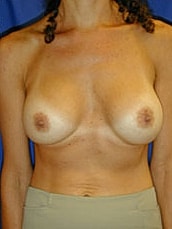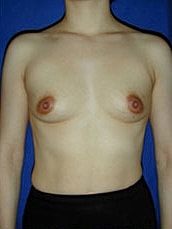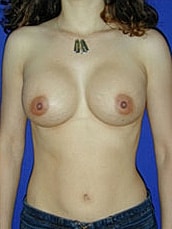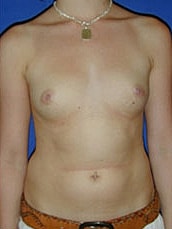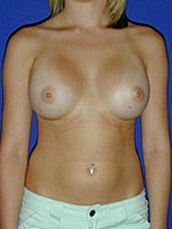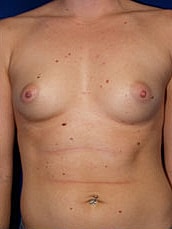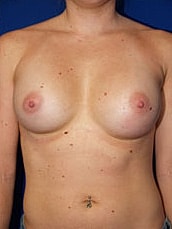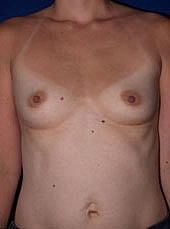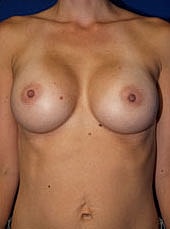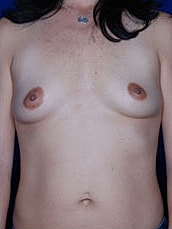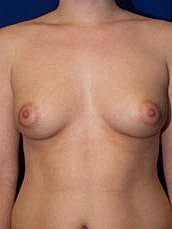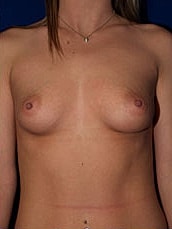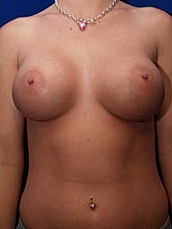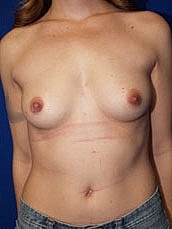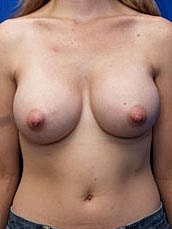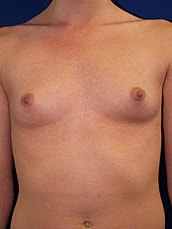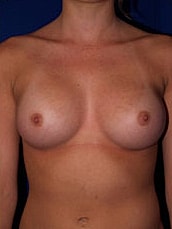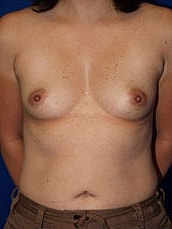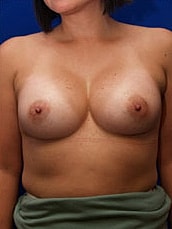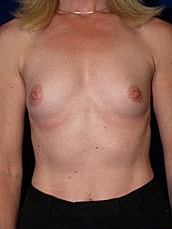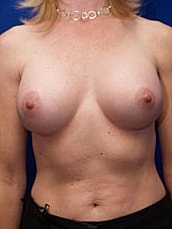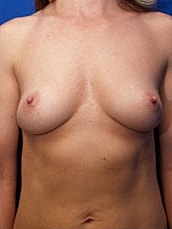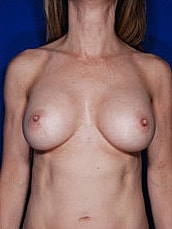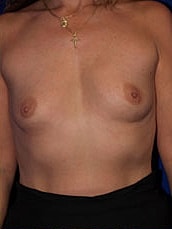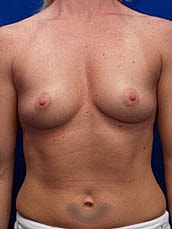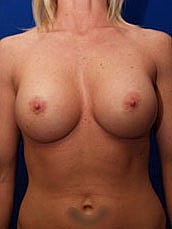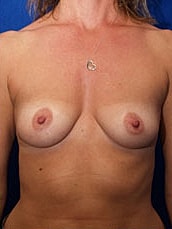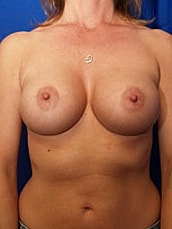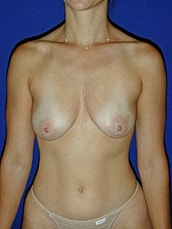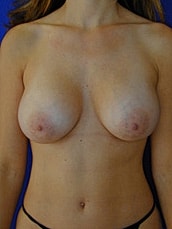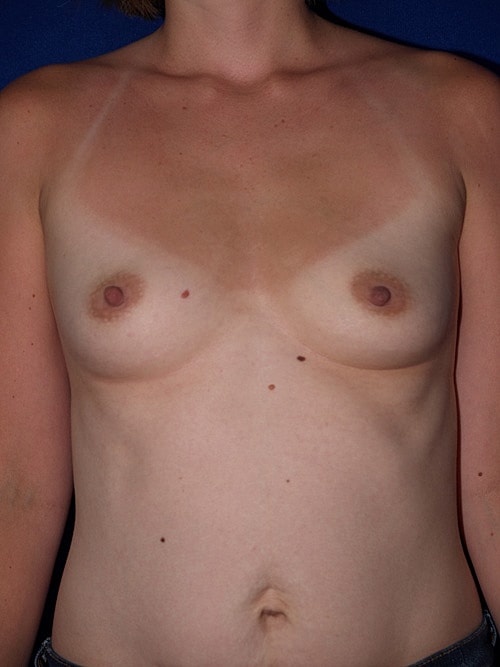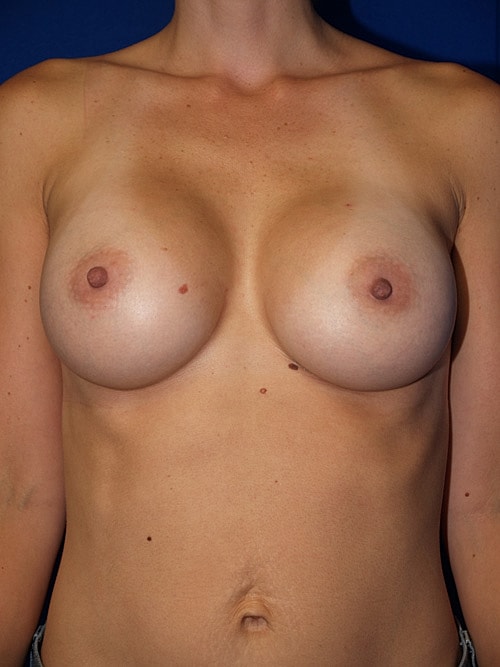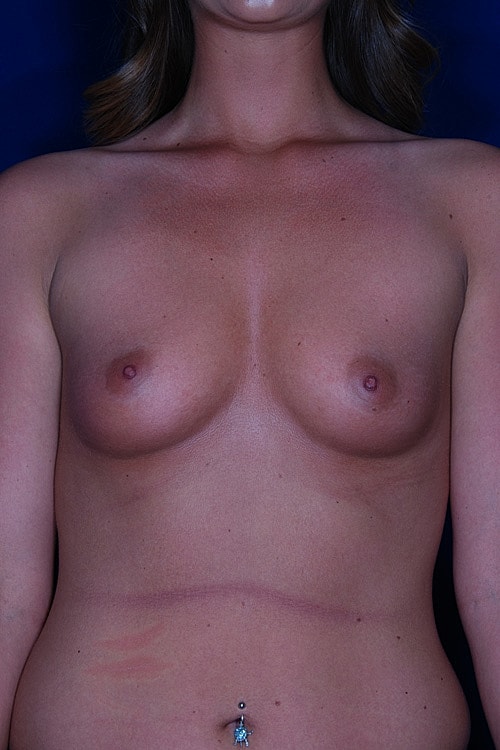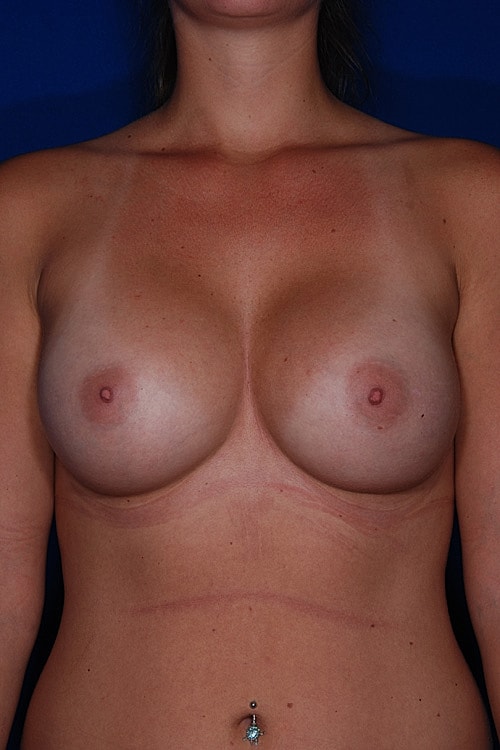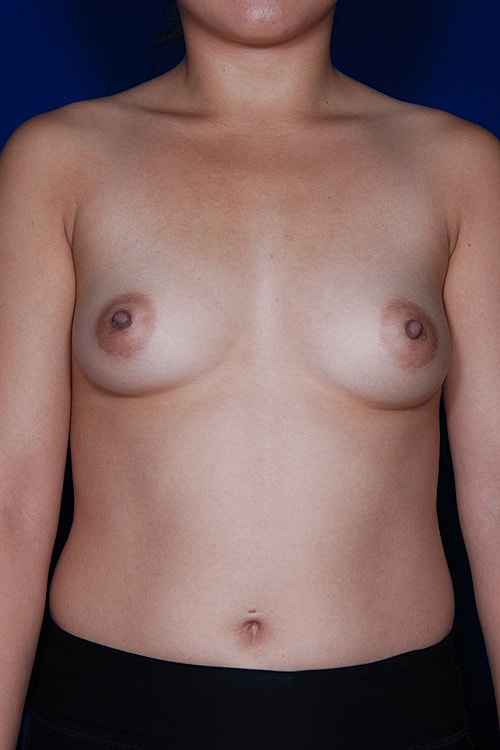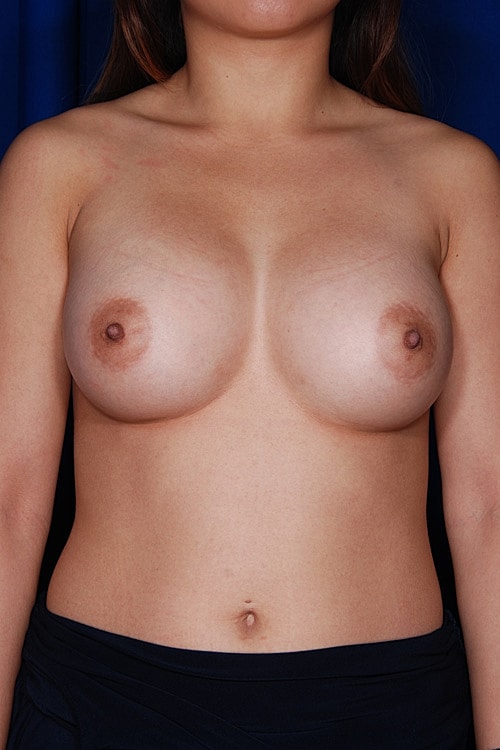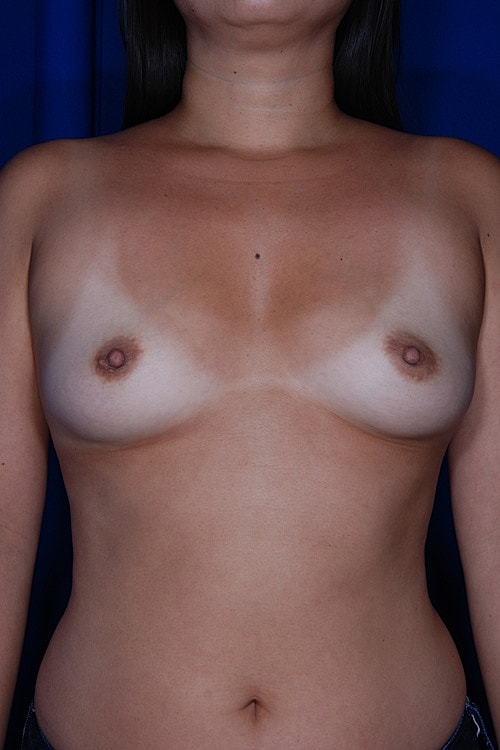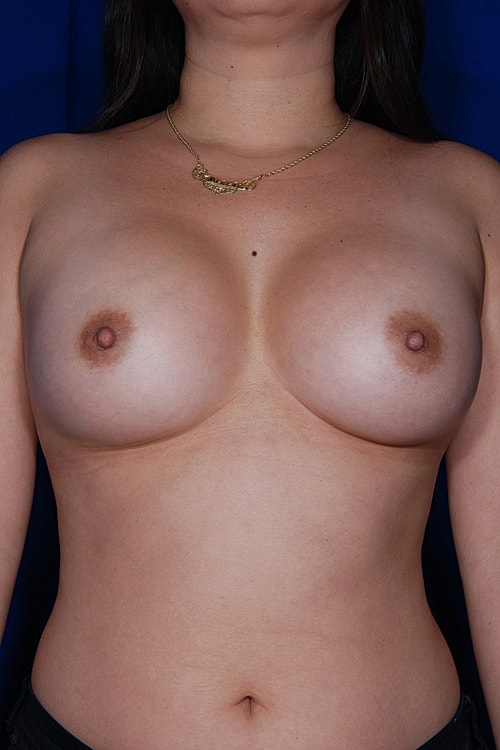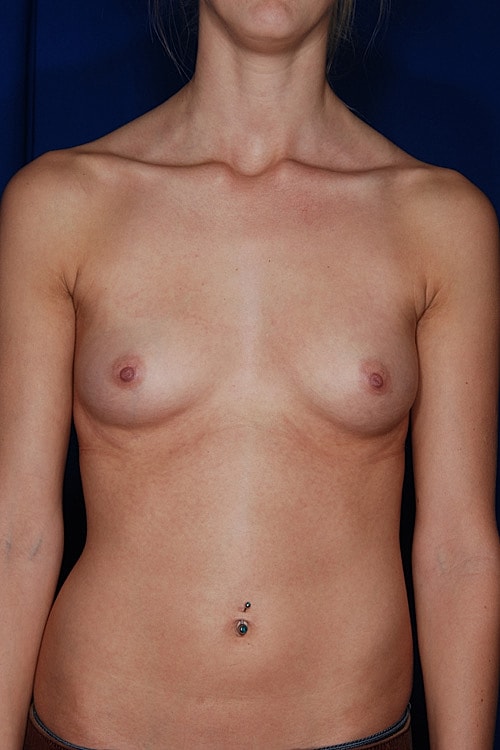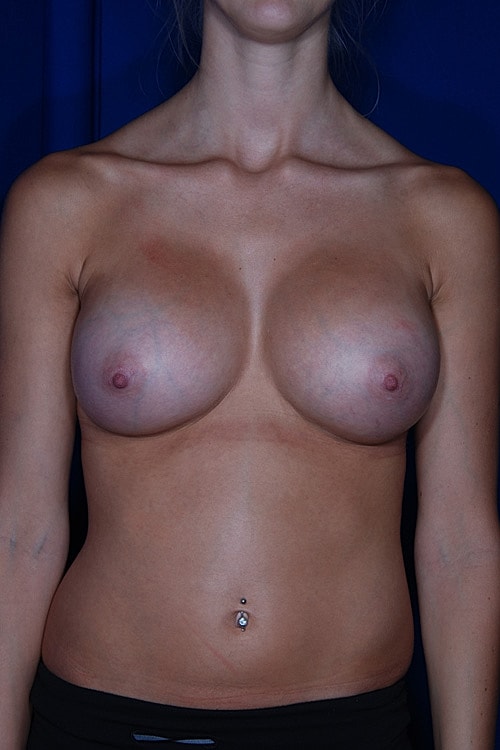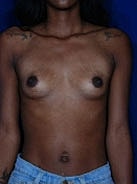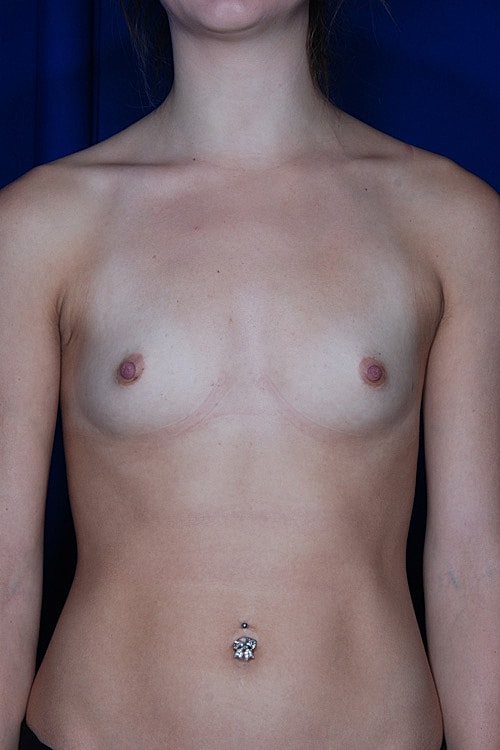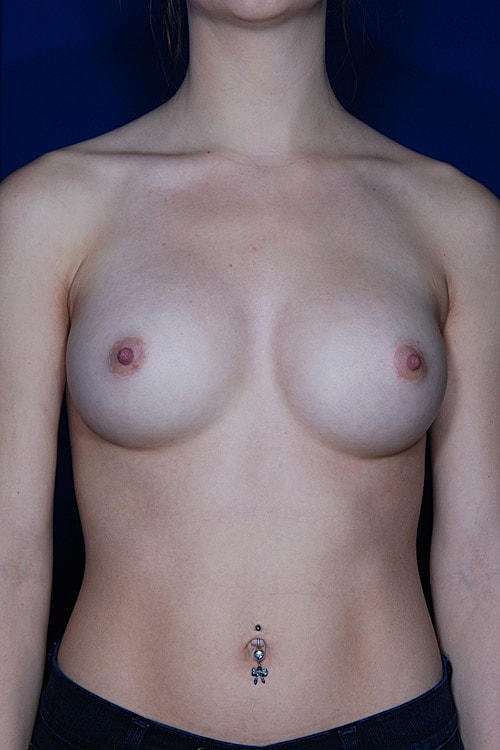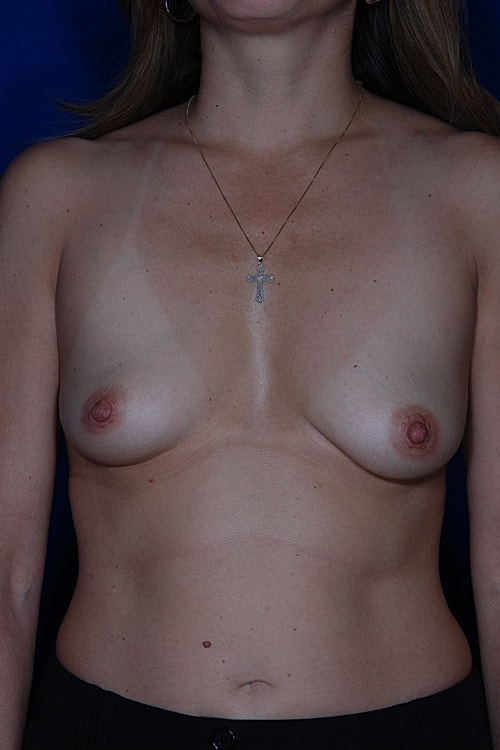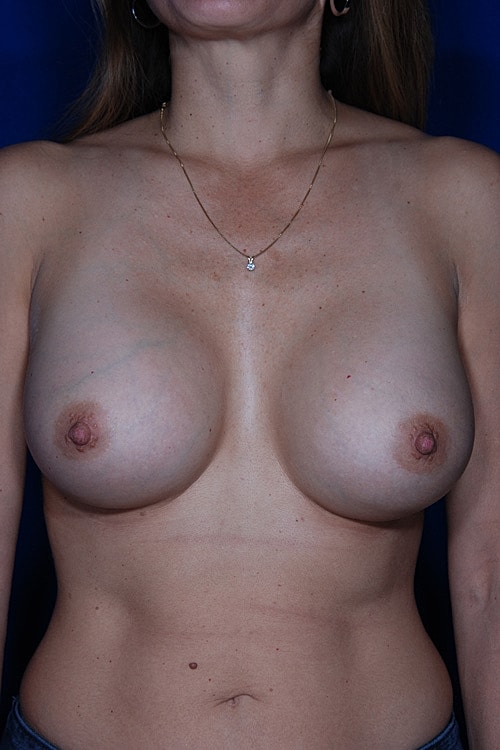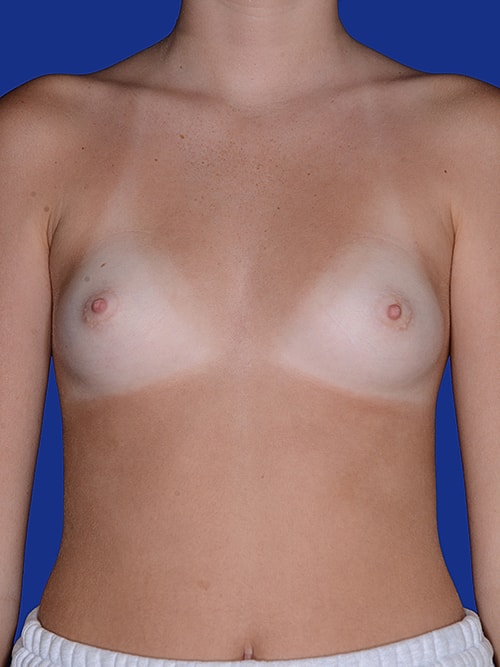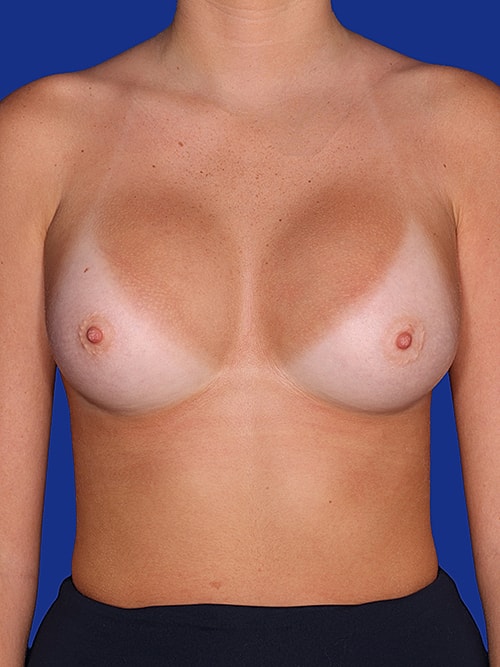
There are a variety of options for your breast augmentation procedure. In this article, I look at a few of your breast augmentation incision options, both the pros and cons.
Published
2 minute read
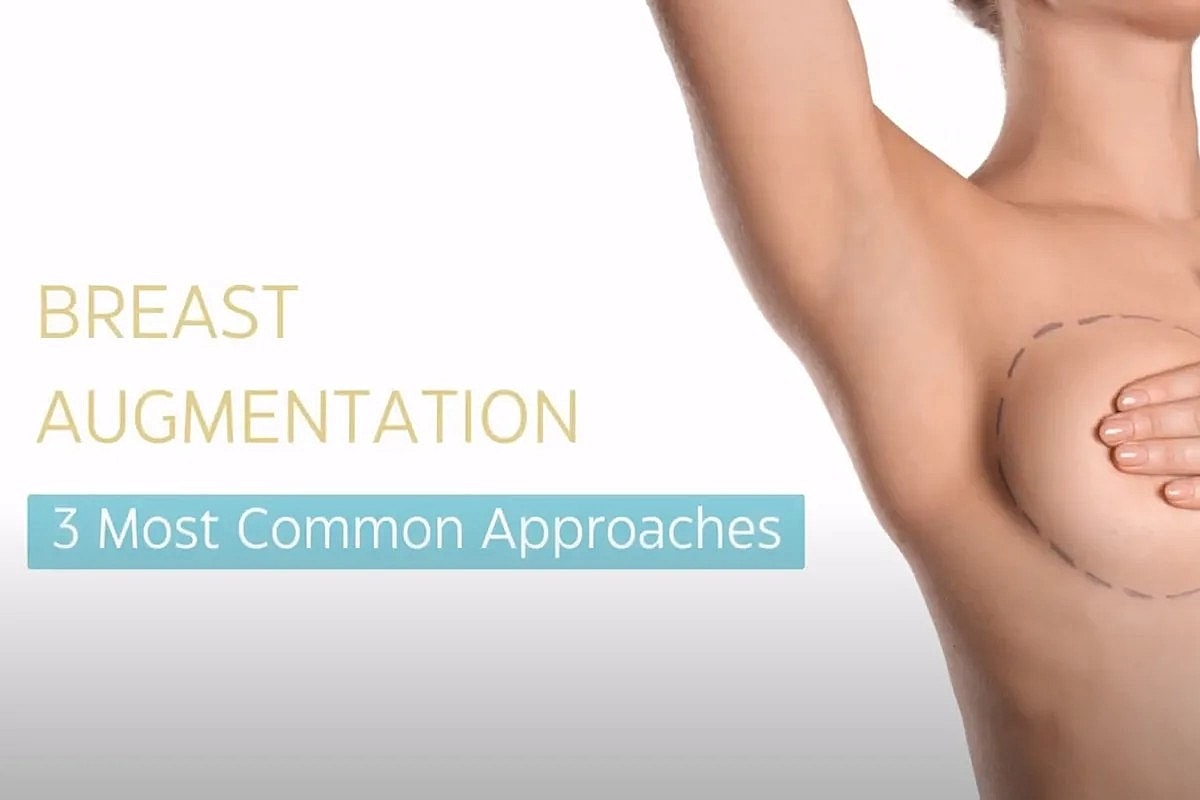
Imagine this: you’re planning your breast augmentation surgery, wrestling with the decision of where the incision should be made. Each option, from inframammary to periareolar, transaxillary, and transumbilical, carries its own set of advantages and potential drawbacks.
When looking at the pros and cons of breast augmentation, the choice of incision can impact factors such as scarring, sensation, and even your ability to breastfeed in the future. Let’s look at the options in more detail, examine their implications, and help you make an informed decision that suits your unique needs and preferences.
After all, the right choice can make a world of difference in your surgical experience and satisfaction.
To fully comprehend the process of breast augmentation, it’s important to understand the various incision options and how they impact your overall results and recovery.
The consultation benefits you by offering a thorough patient education, where surgical considerations are discussed in detail. Through this, you gain insights into the recovery process and scar management after surgery.
Your surgeon will guide you through different incision techniques, helping you make an informed decision based on your unique body shape and personal goals. This open dialogue guarantees you’re fully aware of the potential outcomes and any associated risks.


Published
2 minute read
Having gained a basic understanding of breast augmentation, let’s now explore the different incision options available and how each can influence your final results.
Choosing an incision option, you’re not just deciding on a procedure. You’re taking control of your transformation’s outcome regarding incision healing, scar management, and incision visibility.
Dr. Ronan prefers the transaxillary incision method because it allows for implant placement with minimal visible scarring on the breast itself. This approach also avoids cutting the chest muscle, reducing the risk of sensation loss and potential complications associated with other incision sites.
Through patient empowerment, you can choose the best technique suiting your body and comfort, ensuring your satisfaction with the surgery results. With proper scar care, you can positively influence your scar’s appearance post-procedure. Understanding your options cultivates informed decisions and satisfying results.
After selecting the ideal incision method for your breast augmentation, the next step in your surgical journey involves deciding on the placement of the breast implant. This critical step, known as breast implant positioning, greatly affects your final outcome, recovery process, and overall patient satisfaction.
The two primary choices you have include:
Each option has its own surgical considerations, such as your body type, the size of the implant, and your desired aesthetic outcome. Effective scar management strategies will also vary based on implant placement. It’s important to have a detailed discussion with your surgeon to make the best decision.
When it comes to choosing your incision for breast augmentation, understanding the advantages and drawbacks of each option is important to making an informed decision. The table below outlines the main incision types:
Incision Type | Advantages | Drawbacks |
|---|---|---|
| Inframammary | Hidden scar, fewer breastfeeding complications | Essential for successful outcome |
| Periareolar | Well-hidden scar, precise placement | Risk of losing nipple sensation |
| Transaxillary | No visible breast scarring | Scar visible when wearing sleeveless clothes |
Published
2 minute read
Before deciding, focus on patient education and discuss all surgical considerations with your surgeon. Remember, postoperative care and scar management are vital to achieving a good outcome. Follow the recovery tips provided by your surgeon for a smooth and comfortable healing process. Ultimately, the choice you make should align with your personal preferences and surgical goals.
Diving deeper into the periareolar incision technique, it’s crucial to understand its benefits and potential drawbacks for your breast augmentation surgery.
Shifting our focus from the periareolar technique, let’s now examine the inframammary incision, another popular choice for breast augmentation surgeries. This incision is made in the crease where your breast meets your chest wall, allowing for a discreet scar placement. It’s a preferred option for many surgeons due to its direct access to the breast tissue.
Incision healing is crucial with this method and your surgeon’s expertise greatly influences this process. With proper scar management, including topical treatments and silicone sheets, the scar often fades over time.
This approach also addresses patient preferences, as it’s less likely to interfere with breastfeeding, a common concern. Remember, your individual circumstances and desires should always be part of the decision-making process, so make sure you discuss these factors with your surgeon.
Improve your self-confidence with a cosmetic surgical procedure at Blackhawk Plastic Surgery.
1 of 69
Published
2 minute read
Next, let’s explore the transaxillary incision option for breast augmentation, a method that involves creating an incision in the armpit. This technique keeps your breasts scar-free. The incision is hidden in the armpit, offering a discreet solution.
Although the scar isn’t on the breast, it may be visible when you wear sleeveless clothing, but will often disappear over time.
Not cutting the chest muscle during breast augmentation also helps in the long run by preserving the natural support structure of the breast. When the chest muscle remains intact, it acts as a sling to hold the implant against gravity over time. This reduces the likelihood of implant displacement or bottoming out, where the implant descends below its desired position on the chest.
Additionally, preserving the chest muscle minimizes the risk of post-surgical complications such as sensation loss and muscle weakness. Overall, maintaining the integrity of the chest muscle promotes better long-term stability and aesthetic outcomes for the breast augmentation procedure.
Recovery considerations include potential numbness around the incision site, but this often resolves over time.
Regarding patient satisfaction, many women appreciate the absence of breast scars and are pleased with their natural-looking results.
Always discuss these factors with your surgeon to make an informed decision.

Improve your self-confidence with a cosmetic surgical procedure at Blackhawk Plastic Surgery. Dedicated to using the highest standards of care for our patients, call today to discover how our Beautiful and Natural Results can enhance your looks!
Published
2 minute read
Yes, your incision type can affect your post-surgery clothing choices. Incision visibility and post-surgery sensitivity might limit your bra options. Proper scar management can improve post-operative aesthetics and comfort in clothes.
Healing varies per incision type. Inframammary incisions often heal quickly, while periareolar may cause sensation changes. Transaxillary incisions might have longer healing times. Pain management, scar visibility, and infection risks differ too. It’s important to discuss these with your surgeon.
You’ll need to adjust exercise, diet, hygiene, medication, and sleeping arrangements post-surgery. Incision type could affect these changes, like limiting upper body workouts for transaxillary incisions or adjusting sleeping positions for inframammary ones.
Complications vary for each incision type. Inframammary may cause visible scarring, periareolar can potentially lead to sensation loss, and transaxillary poses infection risks. Durability and visibility of incisions are also key factors to take into account.
Each incision type can impact mammograms or other procedures. Sensation changes, incision visibility, and aftercare are factors. You’ll need good scar management to minimize discomfort related to the incision. Consult your surgeon for specifics.
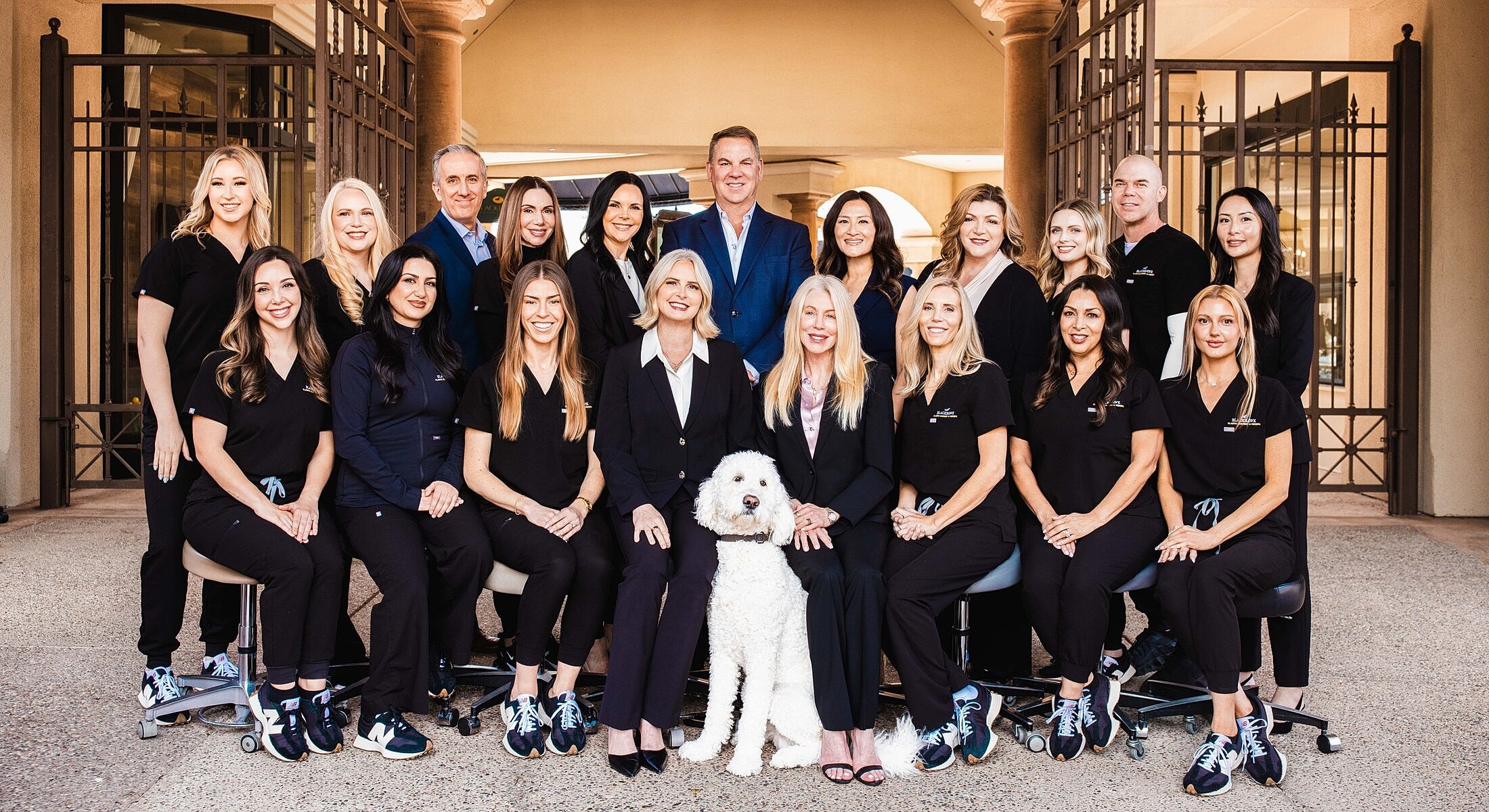
Meet the founder of Blackhawk Plastic Surgery & Medspa, Dr. Stephen J. Ronan MD FACS, a board-certified member of the American Society of Plastic Surgeons and gifted plastic surgeon who’s been making waves in the field of aesthetic enhancement. With a passion for perfection and a commitment to excellence, Dr. Ronan performs thousands of surgical procedures each year at the renowned Blackhawk Surgery Center.